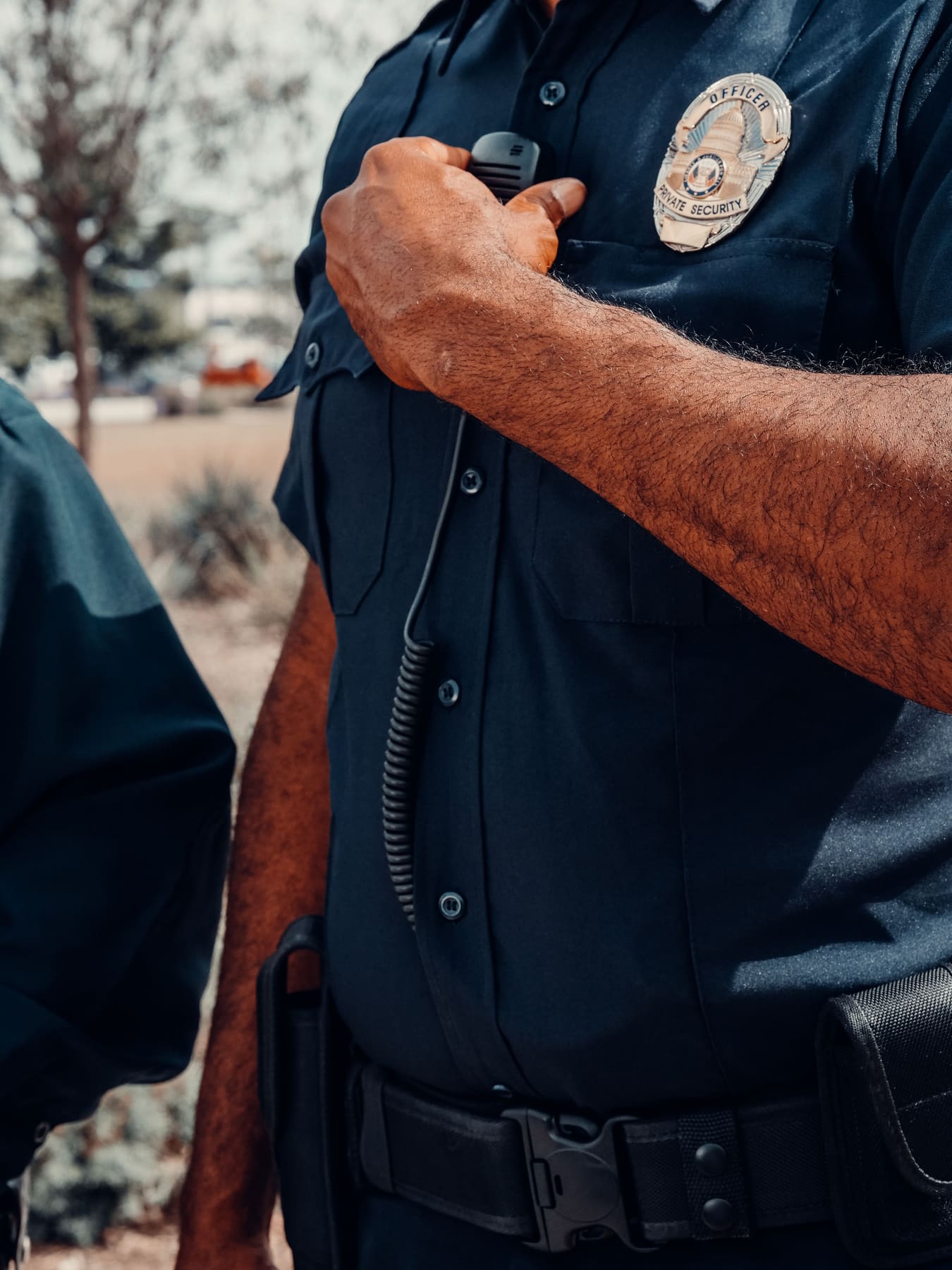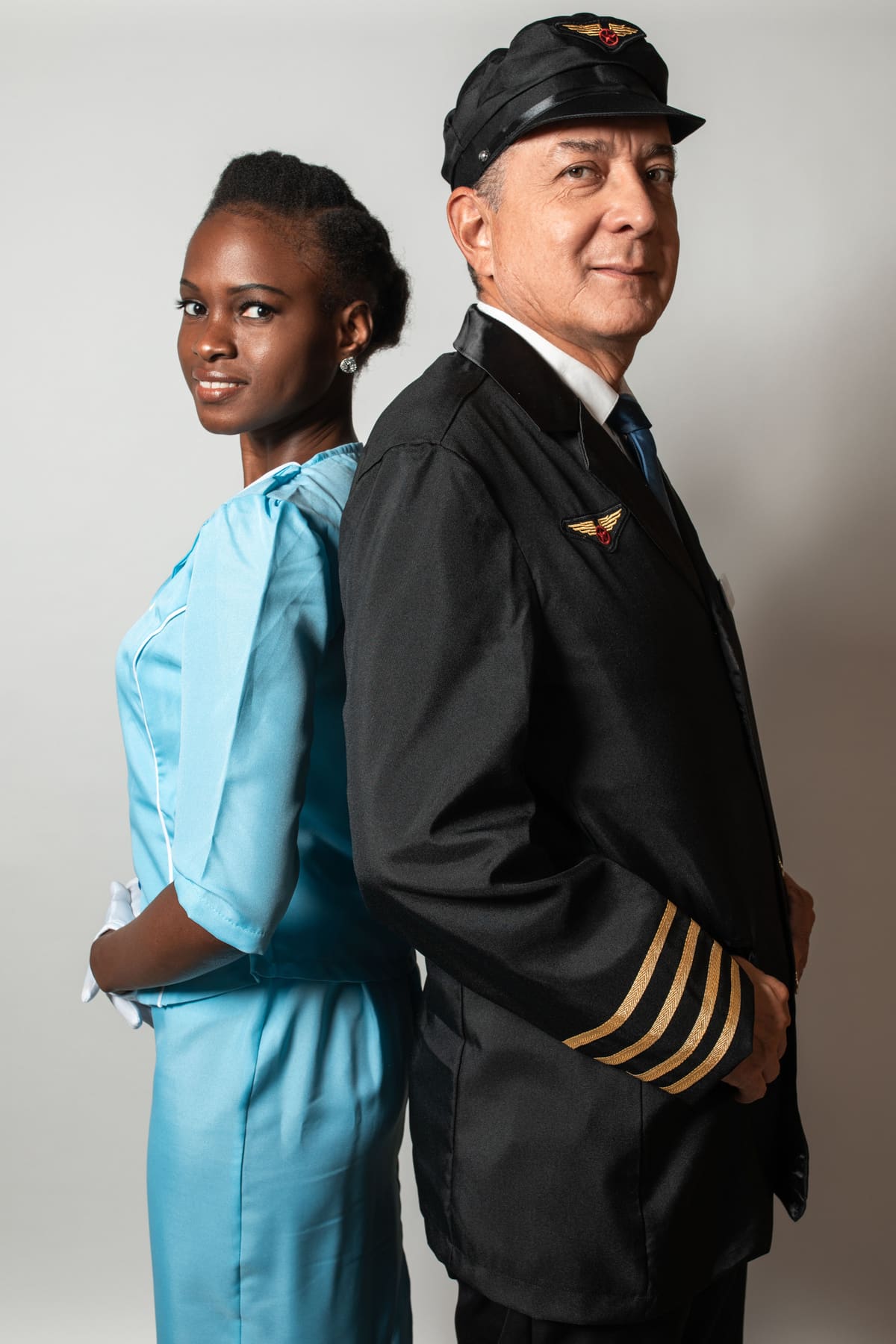
Best Uniform Trends for Different Industries
Uniform priorities shift from one industry to the next. Here is what healthcare, hospitality, security, and corporate teams each need from a modern uniform program.
This website is still in development — the full site launches 19 September 2026.
Practical writing on specifying, wearing, and caring for uniform programs across healthcare, hospitality, corporate, and public-safety teams.

Uniform priorities shift from one industry to the next. Here is what healthcare, hospitality, security, and corporate teams each need from a modern uniform program.

Fabric, colour, cut, and durability all pull on the decision. Here is how to weigh them so a uniform is comfortable to wear and right for your brand.

A well-designed uniform carries a company's values and message. Colour, logo placement, fabric, and cut all decide how strongly it does that.

The right washing, drying, and ironing routine extends a uniform's life and keeps it looking new. A few simple habits make most of the difference.

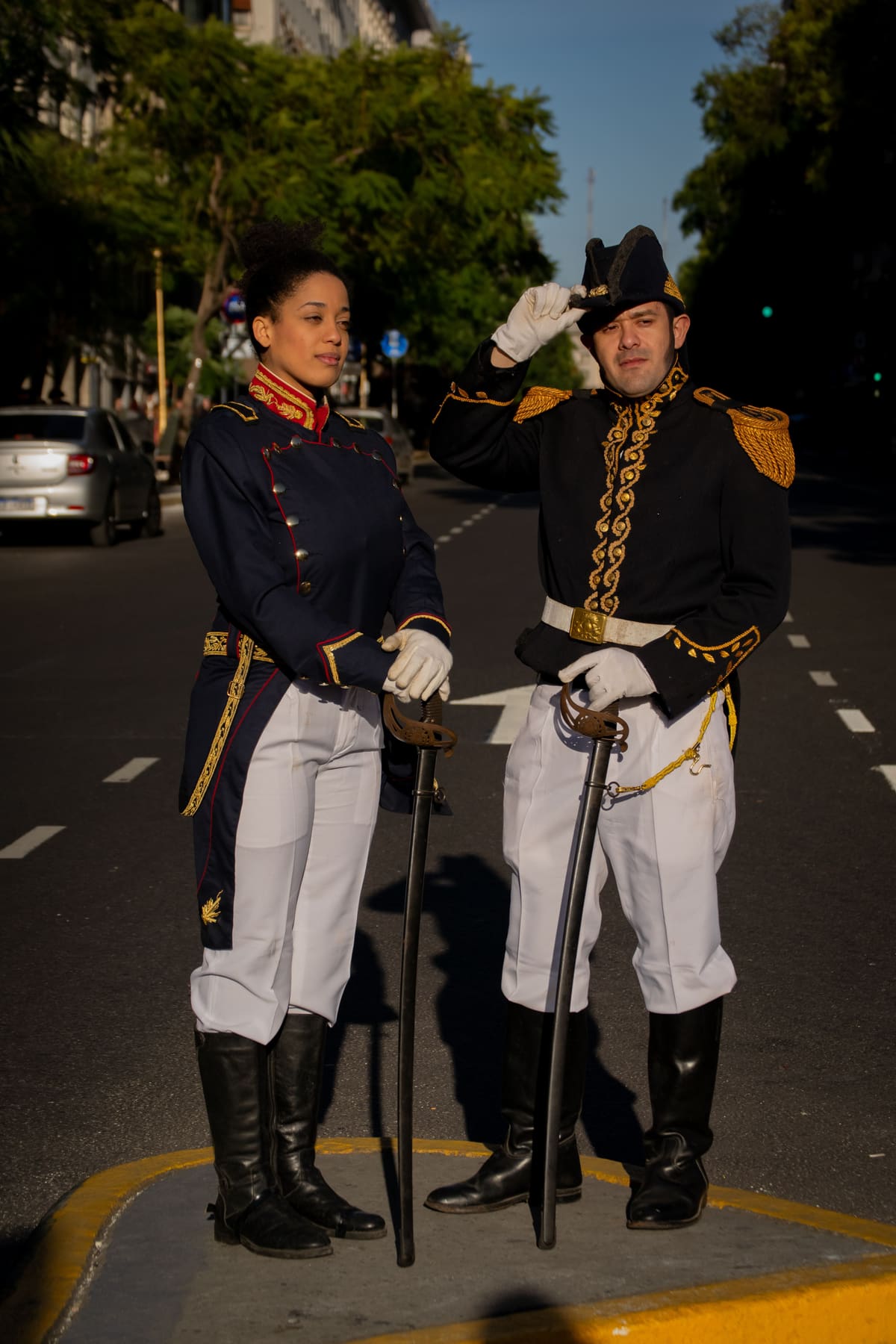
The uniform began as military dress and became a civilian fixture. That history still shapes how uniforms are designed today.

Comfort at work feeds directly into productivity and motivation. Fabric, cut, and fit for every body type are what make a uniform comfortable to wear all day.

Colour shapes how staff and customers feel. The right uniform colour depends on the emotional response you want and the sector you work in.

Weather changes what a uniform needs to do. Summer calls for light, breathable fabrics; winter calls for insulation and layering.

Smart fabrics, antibacterial coatings, and sustainable materials are turning the uniform into a garment that actively supports the people wearing it.

Name embroidery, a well-placed logo, and considered colour choices make staff feel valued and give customers a clearer sense of your brand.